Hair Transplant USA vs Turkey:
An Honest Comparison
Comparing a hair transplant in the USA vs Turkey is about far more than just the upfront price tag. While Turkish all-inclusive packages advertise low surgery quotes ($2,500–$5,000), total all-in costs narrow significantly once international flights, companion travel, lost wages, and remote recovery management are factored in. At HairInUSA, we break down the true trade-offs between domestic physician-led procedures ($4.00/graft flat-rate) and overseas travel packages so you can evaluate your options with complete confidence.
Cost & Safety Key Differences
- USA Procedure: Physician-performed FUE, flat $4.00/graft, local follow-up care, no travel needed.
- Turkey Package: Tech-heavy procedures, bulk pricing ($2,500-$5,000 all-in), international travel, remote follow-up.
The Safety of Modern Hair Restorations
While Turkey has become a global hub for hair restoration, safety standards vary wildly between 'hair mills' and regulated clinics. In the USA, strict medical board oversight ensures that your surgeon—not just a technician—is responsible for the surgical plan and site creation.
\"The cheapest surgery can often become the most expensive repair. Always prioritize surgeon involvement over package perks.\"
Before making your choice, consider the logistical reality of traveling 12+ hours post-op. Many patients find that the peace of mind and accessible follow-up of a domestic clinic outweigh the initial savings of an overseas trip.
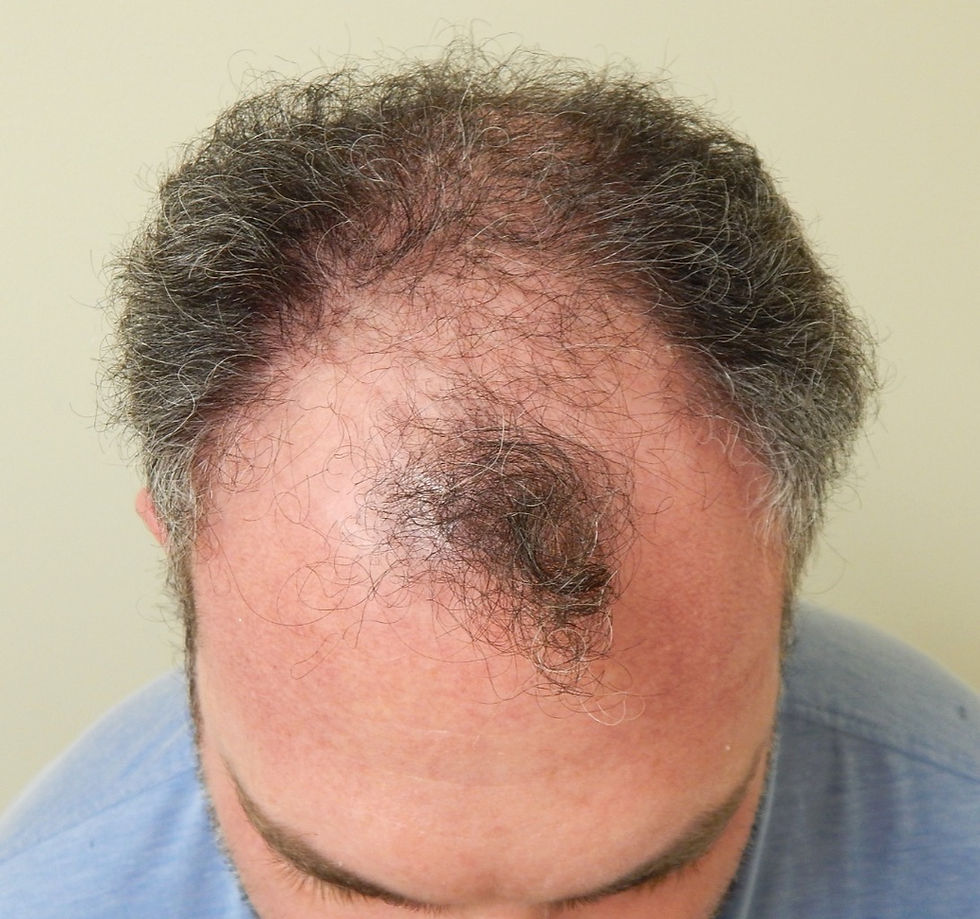

A Norwood 6 Case - Full Restoration in U.S. in one session by HairInUSA
Executive Summary: USA vs Turkey Hair Transplant
Turkey usually looks cheaper because the advertised surgery package is lower. Many Turkish clinics quote prices that appear far below U.S. clinics, especially for larger graft sessions. However, patients should also consider flights, hotel, time away from work, aftercare limitations, surgeon involvement, and the cost of correcting a poor result.
A U.S. option may cost more upfront, but it can offer clearer domestic follow-up, easier communication, stronger accountability, and more transparent involvement from the surgeon. HairInUSA helps patients compare these factors before committing to an overseas procedure.
Key Takeaways
Cost is the headline difference.
Turkey often appears much cheaper than the United States, especially when comparing only the surgery quote. But the full comparison should include travel, time away from work, companion costs, aftercare, and possible revision needs.
The country alone does not determine quality.
Turkey has reputable surgeons and clinics. The United States also has strong and weak providers. The better question is not simply “USA or Turkey?” but “Who is performing the critical surgical steps, and what system supports the patient afterward?”
Surgeon involvement matters.
Patients should know who designs the hairline, who performs the extractions, who makes recipient sites, who places grafts, and how much of the procedure is delegated.
Donor management is critical.
The donor area is limited. Poor extraction planning can permanently reduce future options, especially for younger men or patients with progressive hair loss.
Aftercare is part of the real cost.
Remote follow-up after international travel may be enough for some patients, but others prefer the ability to communicate with a U.S.-based team and receive domestic follow-up if needed.
In this article:
-
Why is a hair transplant in Turkey so much cheaper than in the USA?
-
What medical standards apply to US hair transplants vs. overseas clinics?
-
What separates good quality hair transplant work from bad results?
-
What are the medical risks and realities of flying after a hair transplant?
-
How does HairInUSA evaluate domestic vs overseas hair restoration options?
-
What is the true cost breakdown of a US vs Turkey hair transplant?
-
What hair transplant red flags shouls warn you away from a clinic?
-
How do you make the right choice between a US and overseas hair transplant?
Why is a hair transplant in Turkey so much cheaper than in the USA?
Direct answer: Lower labor costs, reduced clinic real estate overhead, lighter malpractice insurance burdens, and high-volume technician delegation drive Turkey's lower base pricing compared to U.S. physican-led care.
Turkey hair transplant pricing is usually lower because of lower labor costs, lower clinic overhead, currency differences, high procedure volume, and more frequent delegation of surgical steps to technicians.
When patients compare hair transplant costs in the USA vs. Turkey (we compare two countries in detail here), they usually see the sticker price first. A procedure in Istanbul may be quoted at a few thousand dollars. A comparable graft count in a reputable U.S. clinic may cost much more.
The gap is real, but it doesn't come out of nowhere.
Labor is one of the biggest differences. Surgical staff costs in Turkey are generally lower than in the United States. A clinic in Istanbul can staff a procedure at a much lower labor cost than a U.S. practice.
Clinic overhead is another factor. Rent, utilities, administrative staff, and operating costs are often lower in Turkey. Those lower fixed costs can be reflected in the advertised procedure price.
Legal, insurance, and compliance costs are also different. U.S. clinics operate under state medical board oversight, workplace safety standards, medical liability exposure, and documentation requirements. These costs are part of the U.S. healthcare environment and affect procedure pricing.
High volume also affects pricing. Some Turkish clinics perform multiple surgeries per day and use larger teams. That model can reduce the per-patient cost, but it also makes it more important for the patient to understand exactly who performs each part of the surgery.
What Medical Standards Apply to U.S. Hair Transplants vs Overseas Clinics?
Direct answer: U.S. standards enforce physician-performed incisions and extractions under ABHRS board certification, accredited surgical facilities (AAAHC/Joint Commission), and state medical board accountability that prohibits unlicensed technician delegation.
In the United States, hair transplant clinics operate under state medical board rules, U.S. healthcare standards, and domestic legal accountability. Overseas clinics operate under their own national rules, which may be legitimate but can vary more from clinic to clinic.
When comparing the U.S. and Turkey, the main issue isn't whether one country is automatically safe and the other unsafe. The real issue is consistency, accountability, and transparency.
In the United States, patients can usually verify the physician, medical license, facility, and complaint history more easily. U.S. patients also have clearer legal and regulatory channels if something goes wrong.
In Turkey, many clinics are legitimate and properly licensed. However, the market is broad. Some clinics are physician-led and careful, while others rely heavily on high-volume sales, aggressive pricing, and unclear delegation.
Patients should ask:
-
Will the surgeon design the hairline?
-
Will the surgeon perform the extractions?
-
Will the surgeon make recipient sites?
-
Who will place the grafts?
-
How many surgeries happen per day?
-
What happens if the result is poor after six to twelve months?
Is Turkey Safe for a Hair Transplant?
Direct answer: Turkey can be safe if you select an accredited surgical facility led by a verified physician who performs the critical surgical steps, rather than high-volume budget clinics that rely entirely on unlicensed technicians. You can find our essential guide to Turkey and hair transplants here.
Turkey can be a safe place for a hair transplant when patients choose a properly licensed clinic with a verified physician, clear surgical protocols, and transparent aftercare. The risk increases when patients choose mainly by price or cannot confirm who performs the critical steps.
Turkey performs many hair transplant procedures each year, and many patients have successful outcomes. The concern is not Turkey as a country. The concern is the wide range of clinic quality.
A safer Turkey clinic should be willing to provide:
-
The surgeon’s full name
-
The surgeon’s credentials
-
Written confirmation of the surgeon’s role
-
A medical screening process
-
Clear graft planning
-
Written aftercare instructions
-
Realistic expectations
A clinic should not pressure a patient into booking immediately. It should not quote a graft number without reviewing photos or donor area. It should not hide who performs the surgery.
Patients should be cautious when a clinic gives a very low price, promises maximum grafts, avoids medical questions, or communicates only through sales coordinators.
What Separates Good Hair Transplant Work From Bad Results?
Direct answer: A good hair transplant depends on graft survival, donor-area management, hairline design, density planning, and proper handling of follicles. These factors matter more than the country where the procedure is performed.
Graft Survival
A graft is a small unit of hair follicles moved from the donor area to the recipient area. Grafts must be handled carefully and should not remain outside the body too long. Poor handling can reduce growth and affect final density.
Donor Management
The donor area is limited. Once grafts are removed, they cannot be replaced. A good surgeon plans extraction carefully so the donor area does not become patchy, depleted, or visibly overharvested.
This is especially important for younger men or patients with ongoing hair loss. A first transplant should preserve options for the future.
Density Planning
Plan density based on age, donor supply, existing hair, hair caliber, and long-term hair loss progression. A clinic that promises maximum density for everyone may not be thinking about long-term donor preservation.
Natural Hairline Design
A natural hairline is not a straight line. It usually includes irregularity, soft single-hair grafts at the front, and a gradual transition into denser graft placement behind the hairline.
Poor planning can create an artificial or “pluggy” look. This can happen anywhere, including both the U.S. and overseas.
What Are the Medical Risks and Realities of Flying After a Hair Transplant?
Direct answer: Flying after a hair transplant is usually possible, but international travel adds discomfort, swelling, logistics, and limited in-person follow-up during the early recovery period.
Most overseas clinics want patients to arrive, consult, have surgery, complete the first wash, and then return home within a few days. That schedule can work, but patients should understand what the return trip involves.
After surgery, the scalp may be swollen, sensitive, and covered with scabs. Patients must avoid touching or bumping the grafts. Long flights can make this harder because of tight seats, dry cabin air, overhead bins, and limited sleep positioning.
The first ten days are important. Patients are usually told to avoid sweating, sun exposure, hats that press on the grafts, and anything that may disturb the recipient area.
Follow-up care is also different after international travel. An overseas clinic may rely on WhatsApp photos or video calls. That can be enough for routine healing, but it becomes harder if the patient has concerns that need in-person evaluation.
Travel also adds cost. Flights, hotels, meals, transfers, companion travel, and time away from work can narrow the difference between a low advertised package price and a domestic option.
How Does HairInUSA Evaluate Domestic vs Overseas Hair Restoration Options?
Direct answer: HairInUSA helps patients compare the full decision, not only the advertised surgery price. The comparison includes surgeon involvement, graft planning, donor management, travel, aftercare, cost, and accountability.
HairInUSA was created because many patients compare the U.S. and Turkey as if the only difference is price. Price matters, but it is not the whole decision.
Through HairInUSA, qualified patients can compare overseas plans with a vetted U.S. hair transplant surgeon option. Dr. Japhlet Aranas is a Chicago-area surgeon, an ABHRS Diplomate, and an ISHRS Full Member. His model includes transparent $4/graft pricing and a low-volume approach.
The goal is not to say every U.S. clinic is better than every overseas clinic. That would be inaccurate. The goal is to help patients ask better questions and compare options before sending a deposit or flying abroad.
What Is the True Cost Breakdown of a U.S. vs Turkey Hair Transplant?
Direct answer: The true cost of a hair transplant includes more than the surgery quote. Patients should compare graft pricing, travel, time away from work, aftercare, revision risk, and the level of surgeon involvement.
Feature
Procedure Cost
Travel & Logistics
Surgeon Involvement
Follow-up & Aftercare
Total for 3,500 Grafts
Travel & Opportunity Cost
USA (HairInUSA)
$4.00 per graft
None / Local travel
Physician performs extractions & incisions
In-person 12-month follow-up included
$14,000
$0 local travel, 1-2 days off work
Turkey (Overseas)
$2,500 - $5,000 (Package)
12+ hour international flight
Technicians handle the most
Remote only
$5,000 to $9,000
$2,000 - $3,000 (Flights, companion, 5+ days off work)
These figures are estimates, not guarantees. U.S. clinics vary widely, and Turkey clinics vary widely. A high-end Turkish clinic may cost more than a budget U.S. option, while a premium U.S. clinic may cost significantly more than both.
The key is to ask what the quote includes and who is responsible for each part of the procedure.
What Hair Transplant Red Flags Should Warn You Away From a Clinic?
Direct answer: Major red flags include unclear surgeon involvement, vague graft promises, pressure tactics, missing aftercare instructions, and pricing that sounds too good to be evaluated carefully.
Red Flag 1: No Clear Surgeon Name
Patients should know the surgeon’s full name before booking. A clinic that avoids naming the surgeon or gives only a first name should be treated cautiously.
Red Flag 2: Unclear Delegation
Ask who performs extractions, who creates recipient sites, and who places grafts. Delegation varies by clinic, but the patient should know the model before booking.
Red Flag 3: “Maximum Grafts” Without Planning
A proper graft estimate should be based on photos, donor strength, age, hair loss pattern, and long-term planning. “As many grafts as possible” can be dangerous if it leads to donor overharvesting.
Red Flag 4: High-Pressure Discounts
A hair transplant is a permanent medical decision. “Today-only” pricing or pressure to pay a deposit immediately is a sales tactic, not patient-centered guidance.
Red Flag 5: Weak Aftercare
Patients should receive written aftercare instructions, expected healing timelines, and a clear point of contact. If follow-up is vague, the patient may be left without support when questions arise.
How Do You Choose Between a U.S. and Turkey Hair Transplant?
Direct answer: The right choice depends on budget, risk tolerance, surgeon involvement, travel comfort, aftercare expectations, and long-term hair loss planning.
Start with four questions:
-
What is my realistic total budget, including travel and time away?
-
What happens if I have a concern after surgery?
-
How important is domestic follow-up to me?
For some patients, Turkey may still make sense. A properly selected, physician-led Turkish clinic can produce excellent results. For other patients, the lower advertised price may not justify the travel, uncertainty, or follow-up limitations.
Younger patients and men with aggressive hair loss should be especially careful. They may need future procedures, so donor-area preservation and long-term planning matter more than maximizing grafts in one session.
The best decision is not the cheapest option. It is the option with the clearest plan, realistic expectations, responsible donor management, and a follow-up process you can actually use.